n 2026, skills for resume are more crucial than ever before. As employers continue to rely heavily on AI-driven Applicant Tracking Systems (ATS), the skills section of your resume can make or break your chances of getting noticed. These systems scan resumes for specific keywords and skills that match the job description, ensuring that only the most relevant resumes make it to hiring managers.
But it’s not just about beating the ATS. The skills for resume that you highlight also play a significant role in showing potential employers that you have the competencies needed to succeed in the role. Whether you’re a fresh graduate, an experienced professional, or someone looking to change careers, showcasing the right skills is essential to standing out in today’s competitive job market.
Your resume’s skills are the core competencies that demonstrate your ability to thrive in the role you’re applying for. They fall into two categories:
- Hard Skills: These are the technical abilities required for the job. Hard skills are typically easy to quantify, such as knowledge of specific software or programming languages. For instance, data analysis, project management, and SEO skills are highly sought after in many industries today.
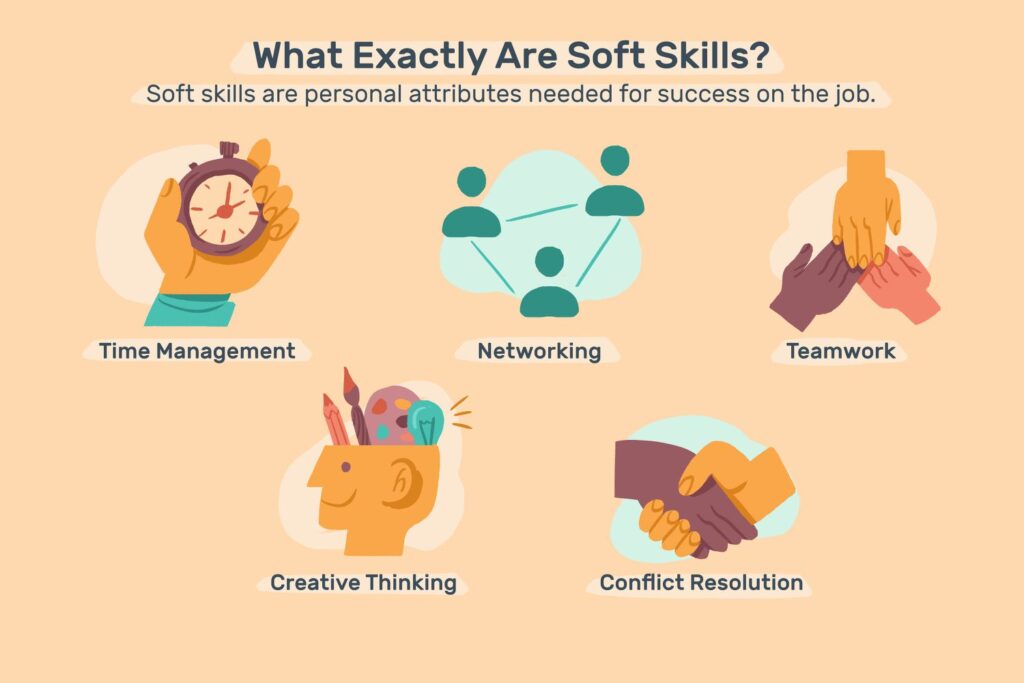
- Soft Skills: These personal traits make you a good team player and help you navigate workplace dynamics. Attributes like communication, problem-solving, leadership, and adaptability are crucial to fostering a positive and productive work environment.
The key to a successful resume in 2026 is demonstrating the right combination of both hard and soft skills. Tailoring your resume to include the skills for resume that employers are actively seeking in your field will significantly increase your chances of landing an interview.
Top Soft Skills for Your Resume
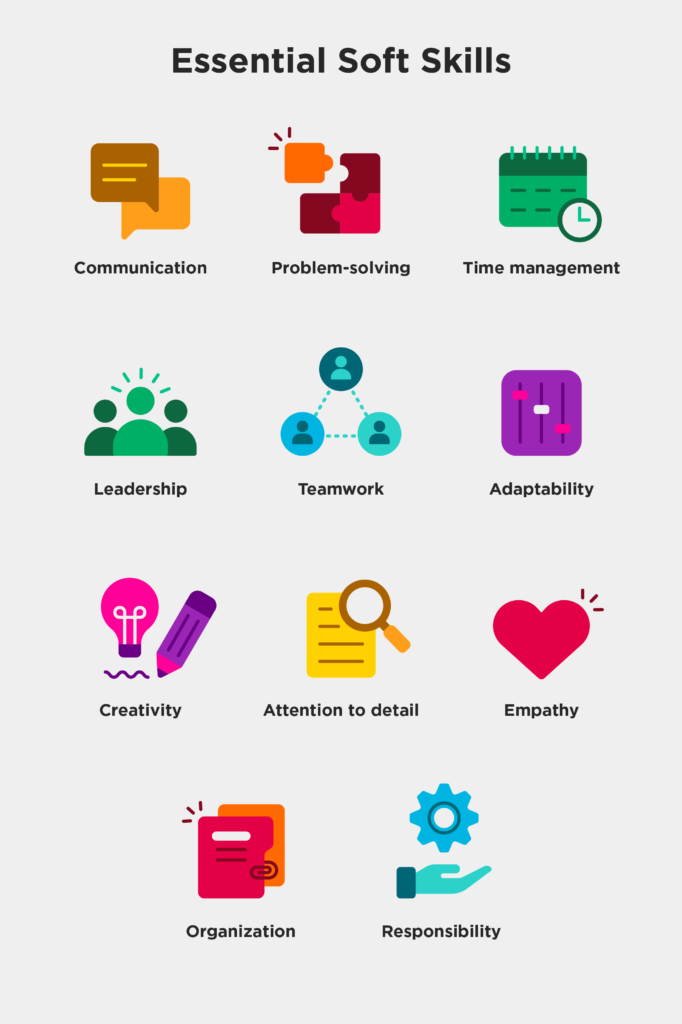
When crafting your resume, it’s essential to highlight not only hard skills but also soft skills. Soft skills are increasingly becoming a key focus for employers in 2026, especially in industries that require collaboration, communication, and problem-solving abilities. These skills reflect your ability to adapt to new situations, manage change, and work effectively within teams.
Why Soft Skills Matter for Your Resume in 2026
Employers value soft skills for resume because they often determine how well you interact with others and handle workplace challenges. These skills may not be as easily measurable as technical skills, but they are vital for cultural fit and ensuring long-term success in any role. Here are the top soft skills you should consider adding to your resume in 2026:
- Communication
Strong communication skills are essential in every industry. This includes the ability to listen actively, convey ideas clearly, and engage in productive discussions. Whether you’re writing emails, presenting in meetings, or collaborating with your team, communication remains one of the most valuable soft skills for resume.
- Problem-Solving
Employers are constantly looking for candidates who can identify challenges and come up with innovative solutions. Problem-solving involves critical thinking and the ability to approach situations with creativity and logic, ensuring you contribute positively to team goals.
- Adaptability
The world of work is changing rapidly, especially with the rise of AI and new technologies. Demonstrating that you can quickly adapt to new tools, methodologies, or workplace environments is a key asset. Adaptability shows you’re eager to learn and open to new experiences, making you a versatile employee.
- Leadership
Whether or not you hold a formal leadership role, leadership skills for resume should not be overlooked. Employers value individuals who can inspire teams, make decisions, and guide projects to success. These skills are particularly important for mid-career professionals looking to take on managerial or strategic roles.
- Teamwork
Collaboration is a cornerstone of many modern workplaces. Showing that you can effectively work within a team, resolve conflicts, and contribute to group efforts will make your resume stand out. Teamwork is a skill that almost every employer looks for, regardless of the industry.
RELATED: 2026 Questions to Get to Know Someone in Job Interviews
Skills for Resume Examples (Soft Skills)
Here are a few skills examples that can be incorporated into your resume:
- Active Listening: Helps build trust and improve collaboration.
- Conflict Resolution: Mediating team disputes and keeping projects on track.
- Decision-Making: Weighing options and choosing the best course of action.
- Empathy: Understanding others’ perspectives and fostering a positive work environment.
- Collaboration: Working effectively with cross-functional teams.
By including these soft skills for resume, you show that you are not just technically proficient but also a well-rounded candidate who can thrive in dynamic work environments. The next section will dive into hard skills, the technical competencies that complement these soft skills and help you stand out further in your job applications.
Hard Skills That Stand Out on Your Resume
In addition to soft skills, hard skills are essential for demonstrating your technical proficiency and job-specific expertise. Hard skills refer to the specific, measurable abilities required to perform job functions and are often acquired through training, certifications, or hands-on experience. These skills for resume are typically more tangible and can be directly tied to the job description.
Why Hard Skills Matter for Your Resume in 2026
As technology continues to evolve, employers in 2026 are increasingly focusing on technical skills for resume, especially in fields such as data analysis, programming, project management, and digital marketing. These are the skills that allow you to hit the ground running and make an immediate impact in the workplace. Hard skills not only demonstrate your qualifications but also help you pass through Applicant Tracking Systems (ATS) that scan resumes for keywords related to specific skills.
Top Hard Skills to Include on Your Resume
- Data Analysis
With data becoming a central part of decision-making in most industries, data analysis has become one of the most sought-after skills for resume. Proficiency in tools like Excel (Pivot Tables, VLOOKUP), SQL, and data visualization tools is critical for roles in finance, marketing, and technology.
- Project Management
The ability to manage projects, adhere to deadlines, and coordinate teams is a key hard skill for many positions, especially in leadership and senior roles. Being familiar with project management tools like Asana, Trello, or Microsoft Project, along with frameworks such as Agile, can give your resume a competitive edge.
- Digital Marketing
As businesses increasingly move online, digital marketing skills are more important than ever. Expertise in SEO/SEM, Google Analytics, content creation, and social media management are essential for anyone working in marketing or e-commerce roles.
- Technical Proficiency
For many industries, having a strong understanding of specific software or programming languages is non-negotiable. Whether you are proficient in Python, Java, or familiar with CRM tools like Salesforce, showcasing your technical skills for resume will make you more appealing to employers.
- Computer Literacy
In today’s digital world, computer literacy is a must for nearly all professions. The ability to use productivity tools like Microsoft Office Suite or Google Workspace is fundamental to staying organized and productive in the workplace.
READ MORE: What Are Team Booster Activities for Serious Companies in 2026?
Skills for Resume Examples (Hard Skills)
Here are a few hard skills examples you can include in your resume:
- SQL: Managing databases, querying information, generating reports.
- Microsoft Excel: Data analysis, pivot tables, financial modeling.
- Python/Java: Programming for web development or data science.
- CRM Tools (Salesforce): Managing customer relationships, sales forecasting, reporting.
- Google Analytics: Tracking and analyzing website traffic, improving digital marketing strategies.
Including these hard skills for resume will show employers that you have the technical ability to perform the job. The next section will discuss how to effectively showcase your skills, both hard and soft, to make your resume as impactful as possible.
How to Showcase Your Skills on Your Resume
Now that you know which skills for resume to include, it’s important to understand how to showcase them effectively. Simply listing your skills isn’t enough — how you present them will significantly influence the impact your resume has on hiring managers and ATS. Here’s how to organize and highlight both hard and soft skills on your resume to make them stand out.
1. Create a Dedicated Skills Section
The first step is to create a dedicated skills section on your resume. This section should be easy to find and neatly organized. Whether you’re a fresher or an experienced professional, this section gives you the chance to immediately highlight the most relevant skills for resume without making hiring managers dig through your experience.
- How to Structure: Use a two-column or three-column format to list your skills.
- Categorize: Split your skills into hard skills and soft skills, making it easier for recruiters to find what they are looking for.
Example:
- Hard Skills: Data analysis, Microsoft Excel, SQL, Programming languages (Python, Java)
- Soft Skills: Communication, Problem-solving, Leadership, Adaptability
2. Tailor Skills to the Job Description
Customizing your skills for resume is essential. Job descriptions often contain specific keywords related to the skills employers are looking for. Tailoring your resume to include these keywords will increase the likelihood of passing through Applicant Tracking Systems (ATS), which scan resumes for relevant skills.
- Tip: Highlight skills that match the job description by reviewing the qualifications and responsibilities listed. For instance, if the job requires data analysis skills, make sure that’s clearly reflected in your skills section.
3. Weave Skills into Your Experience Section
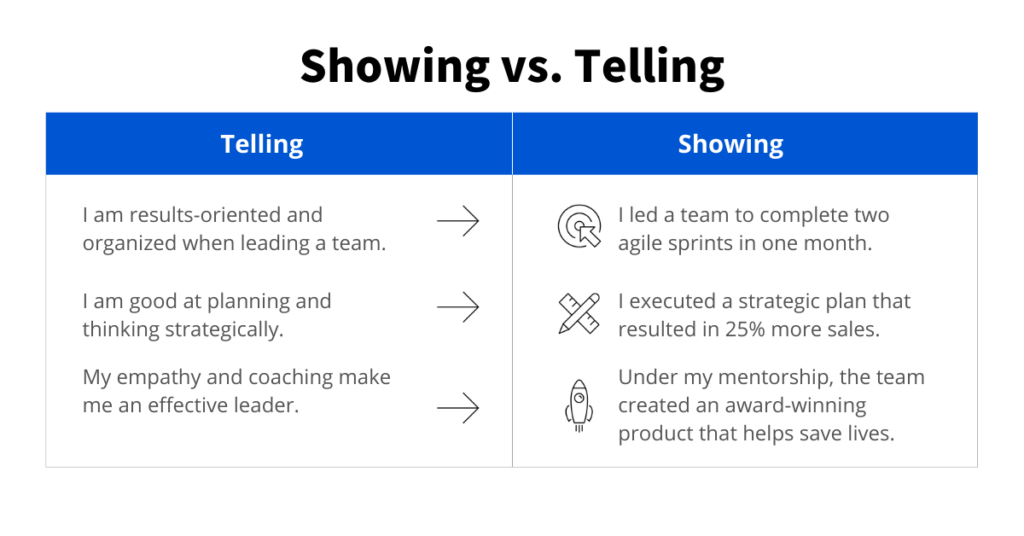
Instead of just listing leadership or problem-solving in your skills section, showcase examples of how you’ve used these skills in past roles. This will give your resume depth and demonstrate practical application.
Example:
- Problem-Solving: “Resolved a major data discrepancy by developing a Python script to automate data reconciliation, saving the company 10 hours per week.”
4. Include 2-3 Universal Skills
There are certain skills for resume that are essential for almost every job. Highlight these universal skills to show that you are well-rounded and adaptable.
- Top Universal Skills:
- Communication
- Time Management
- Teamwork
- Adaptability
These skills are highly valued by employers across industries and can set you apart from other candidates.
5. Showcase Certifications and Courses
If you have certifications or have completed courses related to specific hard skills, make sure to mention them. Certifications validate your technical knowledge and can boost your resume’s credibility.
- Example: “Certified in Google Analytics” or “PMP Certified.”
By following these tips on how to list skills on a resume, you will ensure that your skills section is not only comprehensive but also targeted, making your resume stand out in 2026’s competitive job market.
SEE ALSO: What Are Job Meeting Questions, and How Do You Answer Them?
How to List Additional Sections on Your Resume
While your skills for resume are critical, there are other sections that also play a significant role in catching a recruiter’s eye. Beyond just listing your skills, you need to know how to present other key information on your resume. Here’s how to effectively list additional sections, such as references, education, and certifications, and make sure they align with your overall skill set.
1. How to List References on Your Resume
References are an important part of your resume, especially if the job listing asks for them. However, it’s best practice not to list your references directly on your resume unless specifically requested. Instead, simply write “References available upon request” at the end of your resume, unless the employer asks for specific names and contacts.
- Pro Tip: Always notify your references in advance so they are prepared when the employer contacts them.
2. How to List Education on Your Resume
For both students and experienced professionals, listing your education is crucial — but the format will vary.
- For Students: Include the degree you’re currently pursuing or have completed, along with the name of the institution and graduation date (or expected graduation date).
Example:
- Bachelor of Science in Computer Science
University of XYZ, Expected May 2026
- For Experienced Professionals: If your education is more than five years old, consider listing only the degree and institution, without going into excessive detail about coursework or projects. Focus on relevant certifications or continuing education instead.
3. How to List Certifications on Your Resume
Certifications can significantly boost your chances of getting noticed by hiring managers, especially in industries like IT, healthcare, and project management.
- Make Certifications Stand Out: List certifications in a separate section called “Certifications” or within the education section (if relevant).
Example:
- Certified Data Analyst (CDMP)
- Project Management Professional (PMP)
- Certified Ethical Hacker (CEH)
Certifications show your commitment to your profession and can increase your job marketability.
4. How Many Pages Should a Resume Be?
This is a common question, and the answer depends on your level of experience.
- For Freshers and Students: One page is generally enough. Keep your resume concise and focus on your skills and any relevant coursework, internships, or volunteer work.
- For Experienced Professionals: One to two pages is typically acceptable. If you have extensive experience, particularly in leadership roles, you may need the additional space to adequately highlight your skills and accomplishments. But, keep in mind that a two-page resume should not exceed 2 full pages.
5. How Long Should a Resume Be?
In most cases, a resume should be one page for those with less than 5 years of experience. For more experienced candidates, up to two pages is acceptable, but never more than that. The key is to be concise and focus on your most relevant skills and accomplishments.
By organizing these key sections correctly, you’ll help ensure that your resume is clear and easy to read, increasing your chances of getting shortlisted for interviews. Remember, it’s about showcasing your skills and experience in a way that aligns with the job requirements and meets industry expectations.
MORE: What is a Professional Request Letter?
Common Mistakes to Avoid When Writing Skills on Your Resume
When it comes to listing skills for resume, many job seekers make a few common mistakes that can seriously hurt their chances of getting noticed by hiring managers or passing through Applicant Tracking Systems (ATS). To ensure your resume stands out for the right reasons, it’s essential to avoid these errors.
1. Keyword Stuffing
While it’s important to tailor your resume to include relevant skills for the job, keyword stuffing can be counterproductive. Overloading your resume with too many keywords in an unnatural manner can cause ATS to flag your resume as spam or make it difficult for hiring managers to read.
- What to Do Instead: Incorporate keywords naturally within your experience, achievements, and skills section, without overusing them. Make sure the skills you list are relevant to the position and backed by examples or accomplishments.
2. Listing Too Many Skills
It might be tempting to list as many skills as possible, but quality over quantity matters more than ever in 2026. Hiring managers don’t have time to sift through long lists of skills that aren’t directly relevant to the job.
- What to Do Instead: Focus on the top 5-10 skills that are most relevant to the job description. This helps make your resume concise and easy to read while showcasing your most valuable abilities.
3. Focusing on Duties, Not Achievements
Listing your job duties can make your resume appear like a generic description of the position. It’s important to show how you applied your skills and what impact they had in your role.
- What to Do Instead: Use action verbs and include achievements that reflect your skills. For example, instead of just writing, “Responsible for managing the team,” say, “Led a team of 10 in completing a project ahead of schedule, improving efficiency by 20%.”
4. Using Vague Terms or Overused Buzzwords
Terms like “team player” or “hard worker” are overused and vague. These do not help differentiate you from other candidates, nor do they provide concrete examples of your capabilities.
- What to Do Instead: Use specific skills that are measurable or that demonstrate results. For instance, instead of “good communicator,” say “effective communicator, leading client presentations that resulted in a 15% increase in sales.”
5. Forgetting to Tailor Your Skills for Each Job
A one-size-fits-all resume doesn’t work in 2026. Skills for resume should be customized for each job application. Failing to tailor your resume means you could miss out on highlighting the skills that are most important for the position.
- What to Do Instead: Tailor your skills section to the job description. Look for keywords in the job listing and incorporate them into your resume to align with the job’s specific requirements. You can also tweak your experience section to highlight skills you used in previous roles that match the job you’re applying for.
6. Ignoring Transferable Skills
For those transitioning careers, transferable skills are often overlooked. However, they are incredibly valuable and can make the difference between a successful job change and a missed opportunity.
- What to Do Instead: When switching careers, emphasize transferable skills such as communication, problem-solving, and project management. These are relevant across industries and can make your resume appealing to employers even if you don’t have direct experience in the field.
By avoiding these common mistakes and following the tips outlined in this section, you can ensure that your skills for resume are not only relevant but also compelling enough to get noticed by both ATS and hiring managers.
Conclusion
As we move further into 2026, the way resumes are evaluated continues to evolve, especially with AI and ATS playing a crucial role in the process. Skills for resume remain the cornerstone of any strong application, whether you’re a fresh graduate, transitioning to a new career, or seeking to climb the corporate ladder. Understanding which skills to list on your resume and how to present them can significantly increase your chances of standing out from the competition.
Key Takeaways:
- Tailor your skills to the job description: Always customize your skills section based on the job you’re applying for. Focus on the skills that align with the responsibilities and requirements mentioned in the job ad.
- Balance hard and soft skills: Demonstrate that you possess both the technical competencies (hard skills) and the interpersonal traits (soft skills) that make you a well-rounded candidate.
- Quantify your achievements: Whenever possible, back up your skills with concrete examples of how you’ve applied them to achieve specific results. This will help you stand out in a sea of generic resumes.
- Avoid common mistakes: Don’t overload your resume with too many skills, vague terms, or irrelevant experience. Be specific, concise, and focused.
- Use ATS-friendly formatting: Ensure your resume is ATS-compliant by using clear headers, keywords, and a straightforward structure that makes it easy for AI systems to parse.
Final Thought…
As the hiring processes continues to advance, the skills for resume that you choose to showcase will play a significant role in your career journey. By following the strategies outlined in this guide, you can ensure that your resume remains not only competitive but also optimized for both human recruiters and AI-driven tools.
Remember, your skills section is your opportunity to make a powerful first impression. Tailor it, refine it, and keep it updated as the job market changes. Doing so will increase your chances of landing the job you want in 2026 and beyond.
Improve Your Career Potential Now
Don’t let your resume hold you back from landing your dream job.
At NexTechJobs, we specialize in helping you craft compelling resumes that highlight your unique skills, experience, and qualifications. Whether you’re a fresh graduate, a professional with years of experience, or transitioning careers, we’ll ensure your resume stands out in 2026’s competitive job market.
Start building a resume that gets results, optimize your skills and land the job you deserve.
Book a FREE Resume Consultation today and take the first step toward a stronger career!